
Search Texas Police Blotter
Texas police blotter records track arrests, bookings, and incident reports filed by law enforcement agencies across the state. You can search for these records through county sheriff's offices, city police departments, and state databases that hold crime data. Texas has 254 counties, and each one keeps its own arrest logs and jail records through the local sheriff. Many Texas agencies now post police blotter data online or let you search through public access portals. The Texas Department of Public Safety runs a statewide crime records service that pulls data from all reporting agencies. Start your search here to find police blotter records in any part of Texas.
Texas Police Blotter Overview
Texas Police Blotter Records
A police blotter is a log of law enforcement activity. It tracks arrests, calls for service, incident reports, and booking data. In Texas, these records are kept at both the county and city level. The sheriff's office runs the police blotter for areas outside city limits. City police departments keep their own logs for calls and arrests within town. Both fall under state public records law, which means most police blotter data is open to the public.
The Texas Department of Public Safety Crime Records Division is the main state hub for criminal history data in Texas. The screenshot below shows the DPS Crime Records portal where you can run searches.
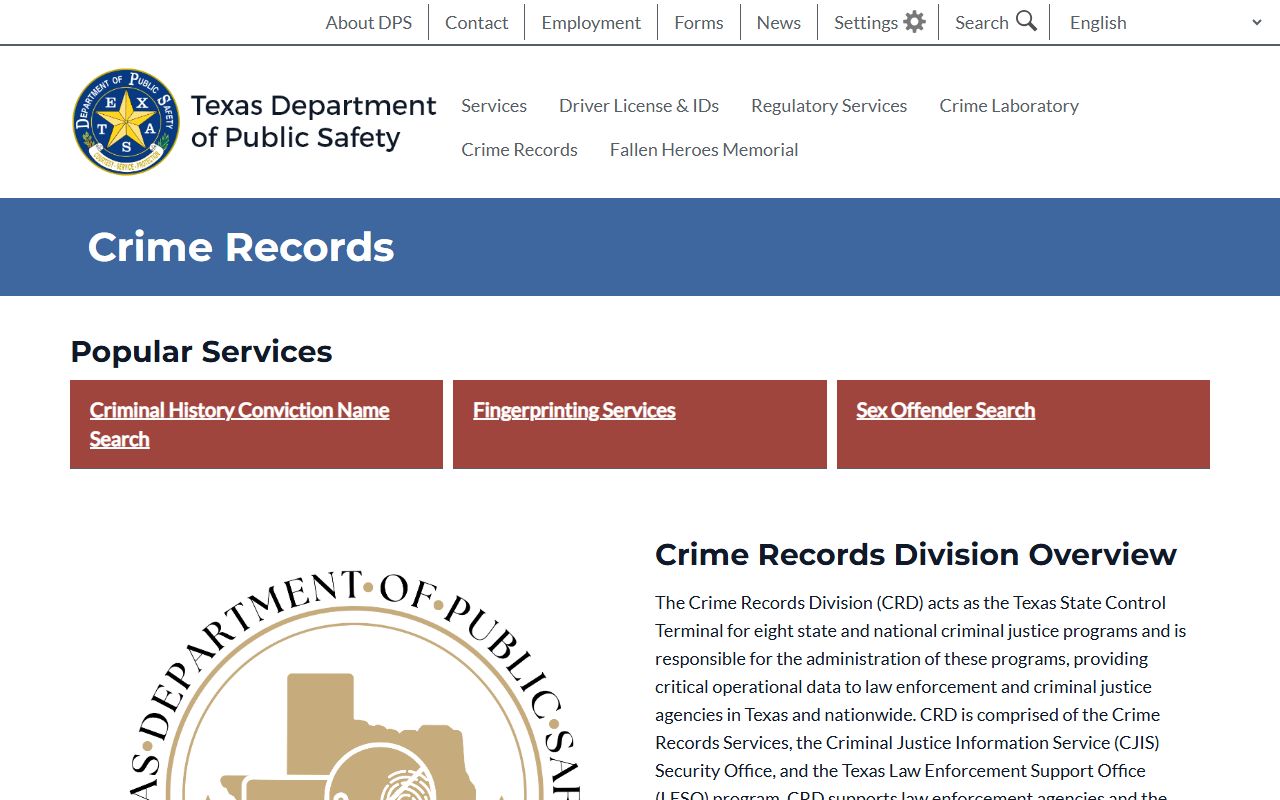
DPS runs the Texas Crime Information Center, a database that holds arrest records, case outcomes, and prosecution data from agencies across the state. A name-based search costs $10. Fingerprint searches run $15 and give more exact results. Access to this system falls under Texas Government Code Section 411.083, which sets the rules for who can pull criminal history. Public users can see conviction data and deferred adjudication outcomes. Juvenile records stay sealed under the Texas Family Code. Expunged records get removed from all public access as the law requires.
Every Texas law enforcement agency reports crime data to DPS each year for the Uniform Crime Reporting program. That data feeds into the FBI's national database. Monthly crime trend reports come out for research use. These reports break down arrest totals, offense types, and clearance rates by agency and county. If you want a broad view of police blotter trends in Texas, the DPS annual crime report is a solid place to start.
How to Search Texas Police Blotter
You have several ways to search for police blotter records in Texas. Online tools are the fastest option for basic case info. Going to the courthouse or sheriff's office works best when you need official copies or want to look through full case files.
Most county sheriff's offices in Texas keep a public log of arrests and bookings. Some post this data on their website. Others let you call or visit to ask about recent arrests. City police departments handle the same type of records for arrests made by city officers. The records division at each department takes public information requests for police reports, incident data, and arrest logs. You can also check the Texas eFiling portal for court case records tied to police blotter arrests that moved to prosecution.
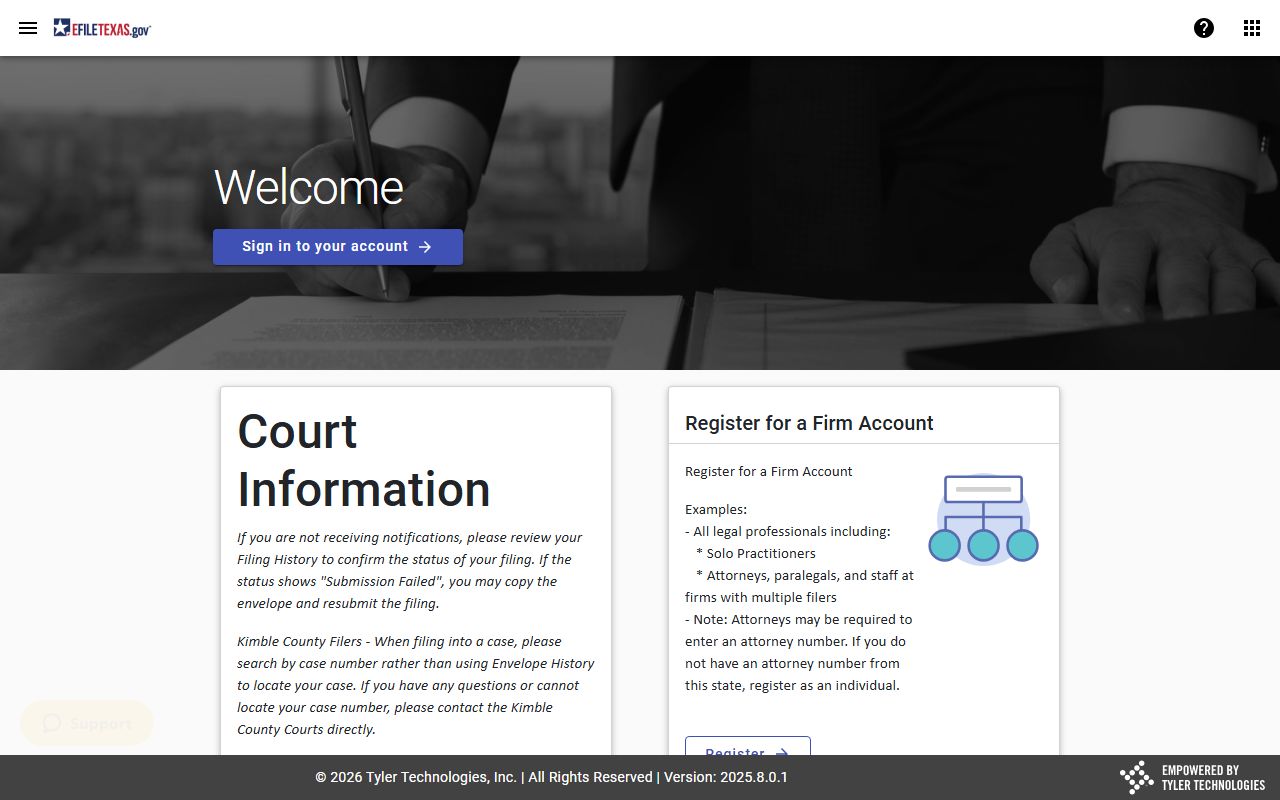
The eFile Texas system handles electronic court filings statewide. Criminal cases that start with a police blotter arrest often end up in the court system, and this portal shows case status for many Texas counties.
Here are some tools for searching Texas police blotter records:
- County sheriff websites for jail rosters and arrest logs
- City police department records divisions for incident reports
- DPS Crime Records Division for statewide criminal history
- VINE Link for custody status on specific offenders
- Texas court portals for cases tied to arrests
Note: Not all counties have online search tools. Some smaller Texas counties still handle police blotter requests only by phone, mail, or in person at the sheriff's office.
Public Records and the Texas Police Blotter
Texas law makes most police blotter records public. The Texas Public Information Act, found in Government Code Chapter 552, gives anyone the right to request records from a government agency. You do not need to give a reason. Booking photos, arrest data, and incident reports are generally open. The agency must respond within 10 business days. If the cost to produce the records goes over $40, they have to send you an estimate first. Standard copies run $0.10 per page.
The Texas Attorney General's Open Government Division oversees how agencies handle public records requests. If a police department or sheriff's office refuses to release police blotter records, you can file a complaint with the AG's office. They run a hotline at (877) 673-6839 for help with records issues.

The AG's office issues formal opinions when agencies and requesters disagree about what can be released. Jail booking photos are generally public under Texas law. But there are limits. Records tied to active criminal investigations can be withheld under Government Code Section 552.108. Personnel files for peace officers get partial protection under Section 552.117. Juvenile records are sealed. If an arrest record has been expunged or sealed by court order, agencies must remove it from public access. These are the main exceptions you will run into when searching Texas police blotter records.
Texas Arrest and Jail Records
When someone is arrested in Texas, the booking process creates a set of records. These include the arrest report, booking photo, charges, bond amount, and court date. County jails hold this data. The sheriff's office in each Texas county runs the jail and keeps the booking log. That log is a core part of the police blotter. Many counties post their jail roster online so you can see who is currently in custody.
The VINE Link system lets you track custody status for offenders in Texas jails and prisons. It is free and anonymous. You can sign up for alerts by phone, text, or email when an offender's status changes. This covers releases, transfers, escapes, and deaths. VINE pulls data from county jails and state prisons across Texas. It updates multiple times each day.
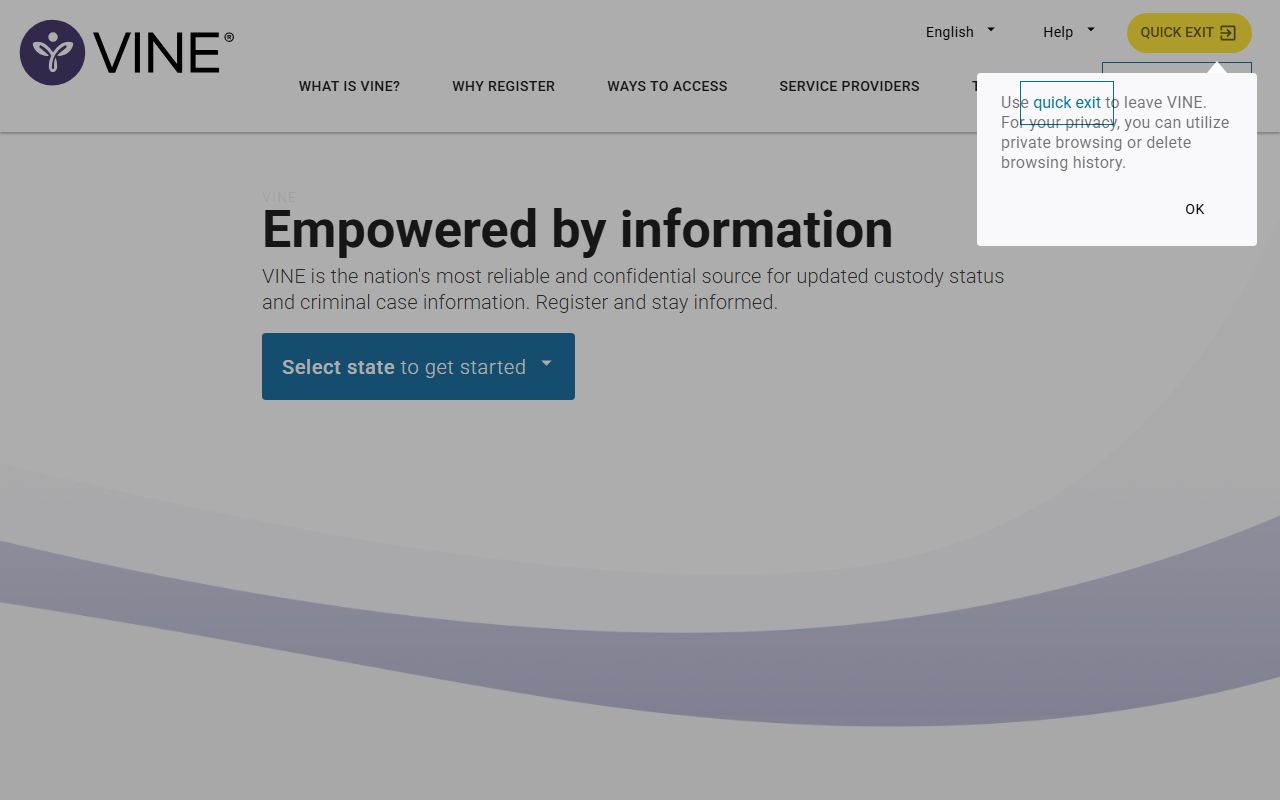
VINE covers over 2,900 jails and prisons nationwide. In Texas, it connects to county jails and the state prison system for real-time custody data on police blotter arrests.
The Texas Commission on Jail Standards sets minimum requirements for all 254 county jails. They publish monthly jail population reports showing how many people each facility holds. Annual inspection reports are public. If you want to know how a specific county jail operates or its capacity, TCJS has that data. Inmate death reports, suicide data, and compliance records are all on file.
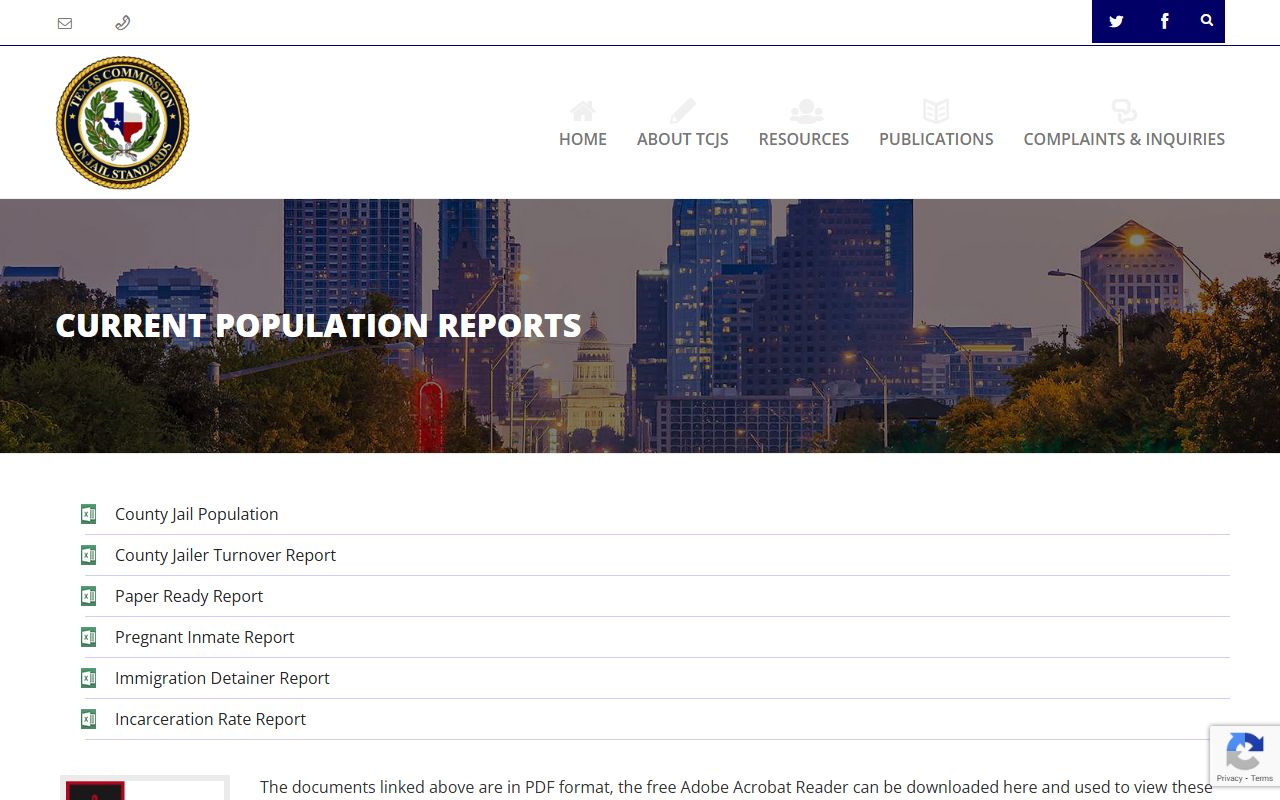
The TCJS site shows jail population trends across Texas counties. This data ties directly to police blotter arrest volumes at the local level.
Texas Police Blotter and Law Enforcement
Texas has a large network of law enforcement agencies that feed into the police blotter system. The Texas Commission on Law Enforcement licenses all peace officers, jailers, and dispatchers in the state. TCOLE tracks officer misconduct, license revocations, and use of force reports. Every agency files racial profiling data and in-custody death reports through TCOLE. You can verify an officer's license status on their website.
Beyond local police and sheriffs, several state agencies contribute to police blotter records in Texas. The Texas State Law Library gives public access to statutes, case law, and legal research tools that help you understand the laws behind police blotter records. Free research help is available to Texas residents.
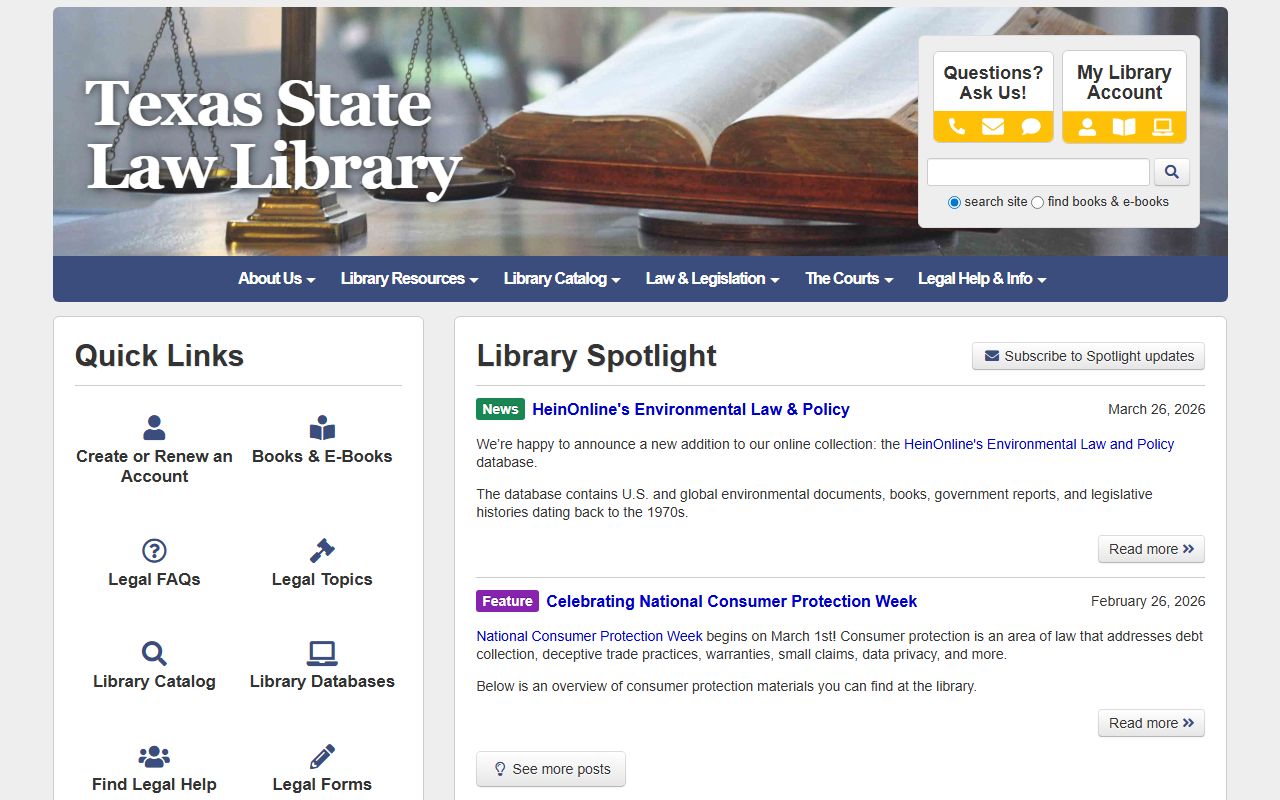
The State Law Library holds the Texas Code of Criminal Procedure and Government Code text used in police blotter and public records matters.
The Texas Department of Transportation Crash Records Information System tracks all motor vehicle crashes in the state. Crash reports cost $6 each and become public 10 days after the crash date. These reports log the location, vehicles, contributing factors, and any injuries or deaths. While not a traditional police blotter item, crash reports are written by law enforcement officers and form part of the broader public safety record in Texas.
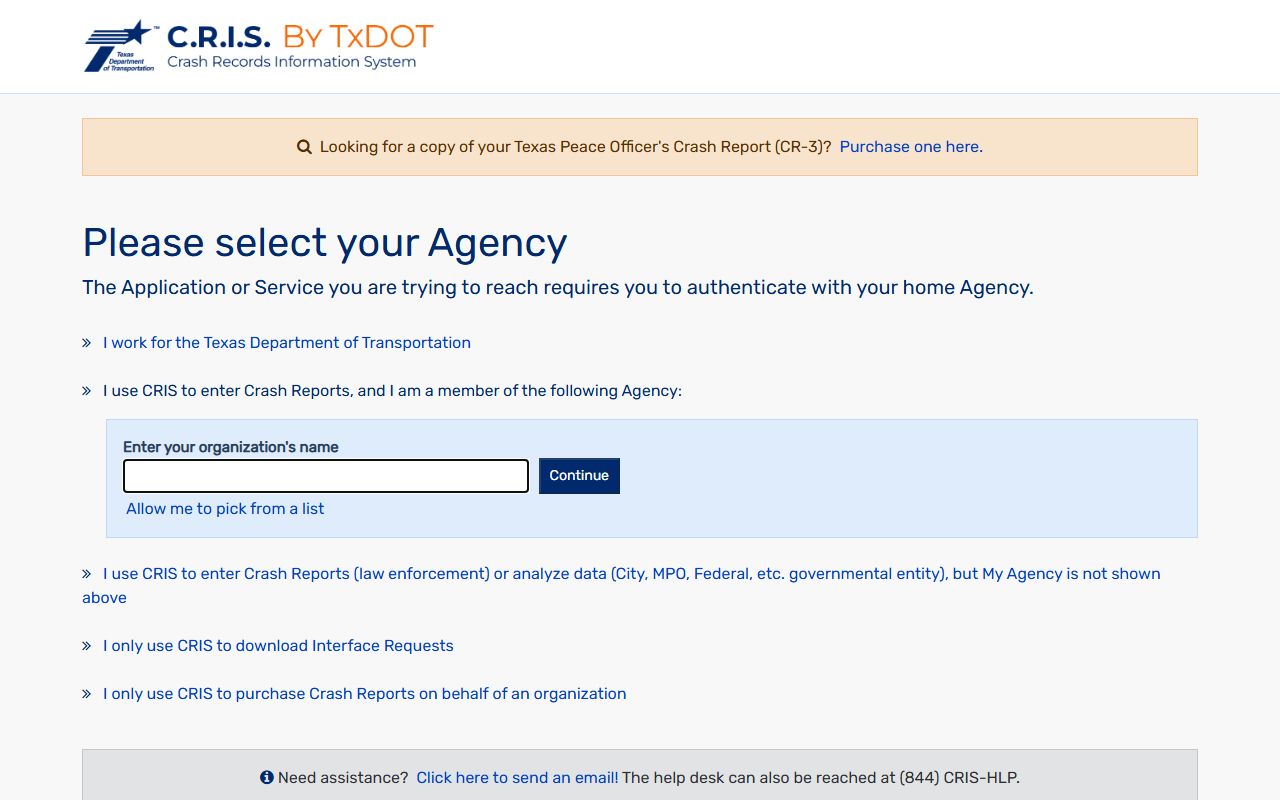
The CRIS portal lets you search and purchase crash reports filed by Texas law enforcement officers at accident scenes across the state.
The Texas Missing Persons Clearinghouse is another DPS program tied to police blotter work. It runs the Amber Alert, Silver Alert, and Blue Alert systems. The clearinghouse cross-matches missing persons with unidentified remains. Law enforcement can search the database for case leads, and the public can search by name, photo, or physical description.
Texas Police Blotter and Public Databases
Texas runs several public databases beyond the police blotter that can be useful during a records search. The TDCJ Offender Search lets you look up people in the state prison system. It shows facility location, offense history, projected release date, and parole eligibility. The system holds records for about 130,000 current inmates and historical data going back to 1990. No account is needed. You can search by name, TDCJ number, or birthdate. Contact TDCJ at (936) 295-6371 for questions about offender records.
The Texas Forensic Science Commission oversees crime labs that process evidence from police blotter cases. They accredit labs for DNA, toxicology, firearms, and other forensic work. If forensic evidence in a case is challenged, the commission reviews it. Their annual reports on lab inspections and compliance are public.
Texas also maintains other searchable databases that connect to public records. The Texas Comptroller's unclaimed property search and the Transparency Texas database for state spending show how Texas makes government data accessible online.

The Comptroller's office runs several public-facing databases. Texas uses a similar open-access approach across its law enforcement and court systems for police blotter data.
Browse Texas Police Blotter by County
Each of the 254 Texas counties has a sheriff's office that keeps police blotter records. Pick a county below to find local arrest logs, jail rosters, and records request info.
Police Blotter in Major Texas Cities
City police departments keep their own police blotter for arrests and incidents within city limits. Pick a city below to find local police records and resources.